Will an AI Receptionist make your Business Sound Cheap
The difference between damaging your reputation and improving your service
The main concern most business owners have about AI receptionists is not whether the technology works, but whether it will harm their reputation.
You've put in years of effort to build up trust with your customers, since they know you. The idea of them hearing a mechanical voice, realising they're speaking to a machine, and then quietly wondering if you've cut your budget is a genuine worry—and it calls for a serious response, not just some marketing nonsense.
The real fear
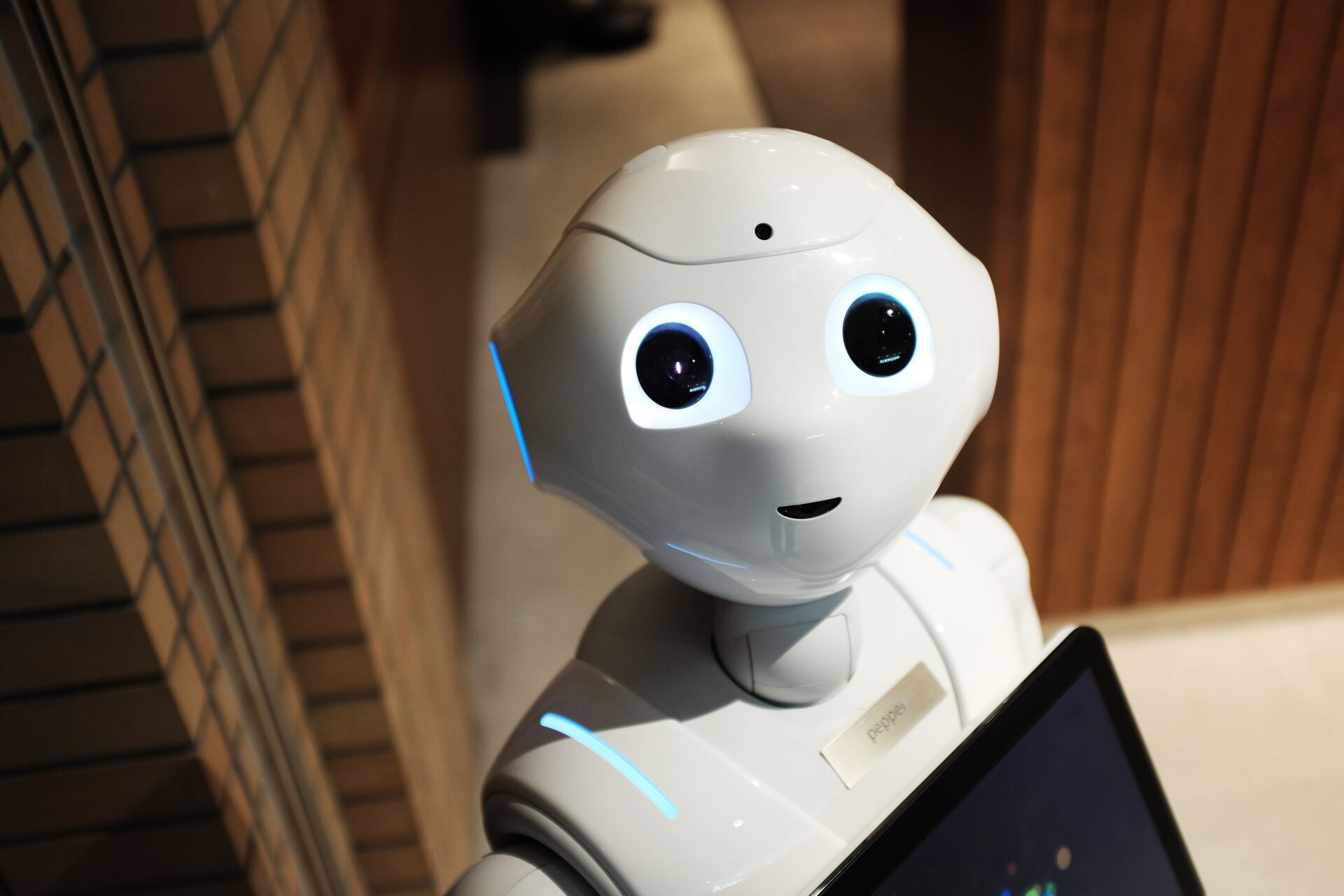
If you picture an AI answering your phone, you'll most likely have an image something like this: it will be flat, show no emotions, and lack social awareness. Its voice will at once make the person who is calling think "I'm speaking to a machine". It's the sort that stumbles when someone has a rather unusual name or puts in a question that is only slightly unexpected. It's the kind that makes you seem as though you've cut corners in your customer service.
It seems risky for someone who is a plumber, electrician, accountant, or consultant since your phone is usually the first point of contact and a poor experience at that stage can result in you losing the contract before you've even produced a quote.
The second concern is more subtle. Even if the AI functions perfectly, certain customers could still be put off by the fact that it is automated. They may not call us again next time and might tell their friends, "Yes, they've gone fully automated now." This kind of reputational risk seems genuine since, to some extent, it is.
What’s actually changed
Actually, there has been a remarkable improvement in AI voice quality over the past 18 months; the best systems no longer come across as obviously robotic and instead sound as if they are being spoken by a real person—specifically, a professional receptionist having a normal conversation.
However, there is an important exception: not all AI receptionists are the same. Some do sound natural. Others still sound as if they have been processed. And the difference is very significant.
A good AI receptionist should:
- Sound conversational, not scripted.
- Handle common accents and speech patterns without stumbling.
- Pause and think (just like a human receptionist does)
- Ask sensible follow-up questions.
- Know when to hand over to a human without making it awkward.
The higher-quality ones manage to do it well, while the cheaper ones don't, and your customers will be able to tell the difference.
The customer experience question
That's where things become interesting. You could think that customers dislike speaking to AI, but research and practical experience indicate a more complicated situation.
Customers are usually not upset when an AI receptionist is used, provided it actually deals with their issue. They telephone to book an appointment, report a problem, or obtain basic information. They are often content with this arrangement if the AI can look after it within thirty seconds; and they are certainly satisfied with it if the other option is to wait on the phone for five minutes or having to call back during business hours.
The issue isn't the AI itself, but rather with a poor-quality AI that causes it to repeat itself, fails to understand, or forces them into a frustrating conversation; it's that kind of experience which is negative. As for a good one, most customers never even notice it.
Even so, the risk is there. Certain customers—especially older ones or those with more complicated requirements—may prefer to speak to a human. They may feel more at ease booking with a live person, and there is merit in that confidence, particularly in cases where trust is important.
Where the real risk is (and where it isn’t)
An AI receptionist works well when:
- Most of your calls follow a predictable pattern (booking appointments, taking messages, basic troubleshooting)
- Your customers are comfortable with technology.
- Your business model benefits from handling calls 24/7
- You’re solving the “missed call” problem (calls coming in when you’re with other clients)
An AI receptionist is risky when:
- Every call is complex and needs expert judgment.
- Your brand position depends on the personal touch.
- You’re using it as an excuse to avoid hiring.
- You’ve chosen a cheap system with mediocre voice quality.
The honest trade-off
As long as you select the right AI receptionist and use it correctly, it won't make you come across as cheap; on the contrary, it usually makes you sound professional and well organised. A response such as "Thanks for calling; I'll get someone to you shortly" given by a system that sounds natural seems competent.
But it will make you sound cheap if you:
- Use a system with obviously robotic audio.
- Let it fumble through calls instead of handing to a human.
- Configure it to sound generic and corporate instead of like your business.
- Use it to avoid hiring when you actually need staff.
The true skill lies in being able to tell the difference between using AI for high-volume, low-complexity tasks (which is a proper use) and using it to completely bypass customer service (which is a wrong use); the first option allows your team to focus on higher-quality work, while the second only serves to annoy customers.
What you should actually test
Before you decide on using an AI receptionist, listen to actual examples. Not demonstrations in which they have rehearsed the conversation, but real calls, complete with awkward pauses and unexpected questions.
Ask the provider:
- May I get some feedback on the way it deals with people who don’t adhere to the script?
- What does it sound like when it does not understand something?
- How does it pass over to a human?
- Could it deal with the particular terminology used by my business?
- So what is my customer data actually like in your system?
If they won’t give you honest answers to those questions, that’s a red flag. If the audio samples all sound slightly too perfect, that’s another one.
The better providers are transparent about their limitations. They know they won’t be right for every business. They know some calls need a human. And they’re happy to show you exactly what that looks like.
Test our AI Receptionist - Lucy. Call 07441 350210 to talk to her directly
The bottom line
It's not silly of you to be concerned about customer experience; in fact, that's precisely the right thing to be thinking about. However, the issue isn't whether an AI will damage my reputation; it's whether this AI, when used in this way, will improve or damage my reputation.
The answer depends entirely on the item you are purchasing, how you set it up, and whether you are using it to improve your service or replace it.
A good AI receptionist should not come across as a way of cutting costs; it should give the impression that you have improved your systems, and that's precisely what you do have if you handle the situation correctly.
Learn more about how an AI Receptionist can help your business