Important SEO Questions you need to be able to Answer

Jon Richardson • January 11, 2025

When Organic SEO Might Be Relevant


There are cases when Organic SEO can still be valuable for local businesses, such as building authority or driving traffic to blogs or resources on your website. For example, a local bakery might use Organic SEO to attract people looking for recipes or baking tips, which could bring more visibility to their site over time. But keep in mind, Organic SEO is a slower burn; it’s more of a long-term play and doesn’t always lead to immediate leads.


Generally speaking organic SEO is more appropriate when a company is focusing on informational type searches such as "how do I get to the top of Google" as opposed to more transactional searches with commercial intent such as "seo agency near me".


Find out more about Organic SEO


Combining Local and Organic SEO


While Local SEO is generally the go-to for small businesses, combining Local and Organic SEO can help build brand awareness and drive traffic over the long term. Just be cautious: Local SEO and Organic SEO require different techniques and skillsets so doubling up on these two services will increase costs.  Focusing too heavily on Organic SEO can dilute your local reach and may not give you the immediate, practical results you need.


Find out more about Local SEO


The Two Key Questions to Kickstart Your SEO Campaign:


  1. What Search Term Do I Want to Rank For?
  2. Where Do I Want to Appear?


Before diving into an SEO campaign, it’s essential to get clear on two foundational questions that will shape the direction and success of your strategy. Answering these will make sure you’re targeting the right audience and locations, maximizing the impact of your investment.


What Keyword Do I Want to Rank For?


This question is all about identifying the search terms (keywords) that potential customers use when looking for services like yours. For local businesses, these are often straightforward but targeted keywords that reflect what you offer, your industry, and how customers talk about your services.


For example:

  • If you’re a plumber, you may want to rank for terms like “emergency plumber” or “plumbing repair.”
  • A law firm might want to target “family lawyer” or “divorce attorney.”


But here’s the kicker: for local businesses, you’ll often benefit from adding location-specific keywords. This makes your business more relevant to people nearby, so instead of just “plumber,” you’d target “plumber in Christchurch” or “best plumber near me.” It’s about making sure your keywords connect to how people in your area actually search for services like yours.


Tip: Think about the questions or issues customers typically have when they need your service and use those as inspiration for your keywords. Targeting specific, relevant terms can mean the difference between attracting curious browsers and ready-to-buy customers.


Where Do I Want to Appear?


Once you know what keywords you want to rank for, the next question is: where do you want those search results to show up? For small, local businesses, the answer is usually within your immediate area or a specific radius around your location.


Local SEO aims to make sure your business appears in search results for people close to you, like in Google’s Local Pack (those map-based results at the top) and on location-based search platforms like Google Maps. If you’re a brick-and-mortar store, service provider, or any business relying on local customers, you’ll want to focus on ranking in your town, city, or neighbourhood—wherever your customers are actually located.


If you’re looking to bring in a regional audience (e.g., the whole Dorset area), then it’s about expanding that radius but still keeping your focus local. Conversely, if you’re a business that sells products nationally, then you’ll look more broadly at Organic SEO for national ranking, though that generally requires more resources and patience.


Tip: Consider where most of your business comes from or where you’d like to expand within your region. This will guide your strategy for Local SEO and help you avoid spreading your efforts too thin over areas that may not yield many leads.


By answering these two questions—what you want to rank for and where you want to appear—you’ll have a clear roadmap for building an SEO strategy that truly aligns with your business goals. It keeps your efforts focused, your audience targeted, and your investment working where it matters most.


Final Takeaway: Local SEO for Practical, Tangible Results


From my experience as an SEO agency, local SEO is the best fit for small businesses that need leads from nearby customers and don’t want to get lost in a national SEO strategy. It brings more relevance and quicker results and makes it easy to see where your investment is paying off. So if you’re done with confusing, high-cost SEO that doesn’t seem to move the needle, it’s time to focus on an approach that actually delivers on what matters—bringing customers to your door.


Local SEO helps you get the visibility you need, in the places where it counts most. And with clear, concise reporting, you’ll always know what you’re getting out of it.


If you would like to know more or would like additional information please complete the form below and one of our SEO consultants will be in touch shortly.


Speak to an SEO Consultant

By Jon Richardson December 7, 2025
Struggling for leads? 10 quick SEO secrets, UK agencies don't want you to know. Your competitors are getting all the leads while you're struggling to get noticed online. Sound familiar? Here's the truth most digital marketing agencies in Christchurch don't want you to discover: local SEO isn't rocket science, and you don't need a computer science degree to make it work. Most agencies overcomplicate things on purpose – it keeps you dependent on their services. But the reality is that small tweaks to how you present your business online can dramatically increase the number of local customers finding and choosing you over your competition. Let's break down the exact strategies that work, explained in plain English. Secret #1: Stop Fighting for "Plumber" – Win "Emergency Plumber Christchurch" Instead Forget trying to rank for broad terms like "plumber" or "electrician." You're competing against every business in the UK for those keywords. Instead, focus on what people actually type when they need your services urgently. Think like your customers. When someone's toilet is overflowing at 2am, they're not searching for "plumber." They're typing "emergency plumber near me" or "24 hour plumber in Christchurch, Dorset." What to do right now: Make a list of your services, then add your suburb or area to each one. Use these phrases naturally throughout your website content, especially on your main pages. Secret #2: Create Landing Pages for Each Area You Serve This is where most small businesses miss out on massive opportunities. Instead of one generic "Services" page, create separate pages for each suburb or area you work in. For example, if you're a carpet cleaner, don't just have one page about carpet cleaning. Create: "Carpet Cleaning in Highcliffe" "Carpet Cleaning in Christchurch" "Carpet Cleaning in Burton" What to do right now: Pick your top 3 service areas and create dedicated pages for each. Include local landmarks, mention the specific challenges customers in that area face, and use photos from actual jobs in those neighbourhoods. Secret #3: Your Google Business Profile is Your Secret Weapon Your Google Business Profile (formerly Google My Business) is often the first thing potential customers see. Yet most businesses treat it like an afterthought. Here's what separates the businesses getting calls from those being ignored: Post updates at least once a week Respond to every review within 24 hours Upload new photos monthly Keep your opening hours religiously up to date Use the "Products" section to showcase your key services What to do right now: Log into your Google Business Profile today. Check every detail is correct, upload 5 new photos, and write a post about a recent job or customer success story. 
By Jon Richardson November 22, 2025
Why Local Businesses Are Moving Away from Directories - And Finding Bigger Wins with Google Business Profile
By Jon Richardson November 17, 2025
Networking for Trades - Good & Bad
By Jon Richardson November 10, 2025
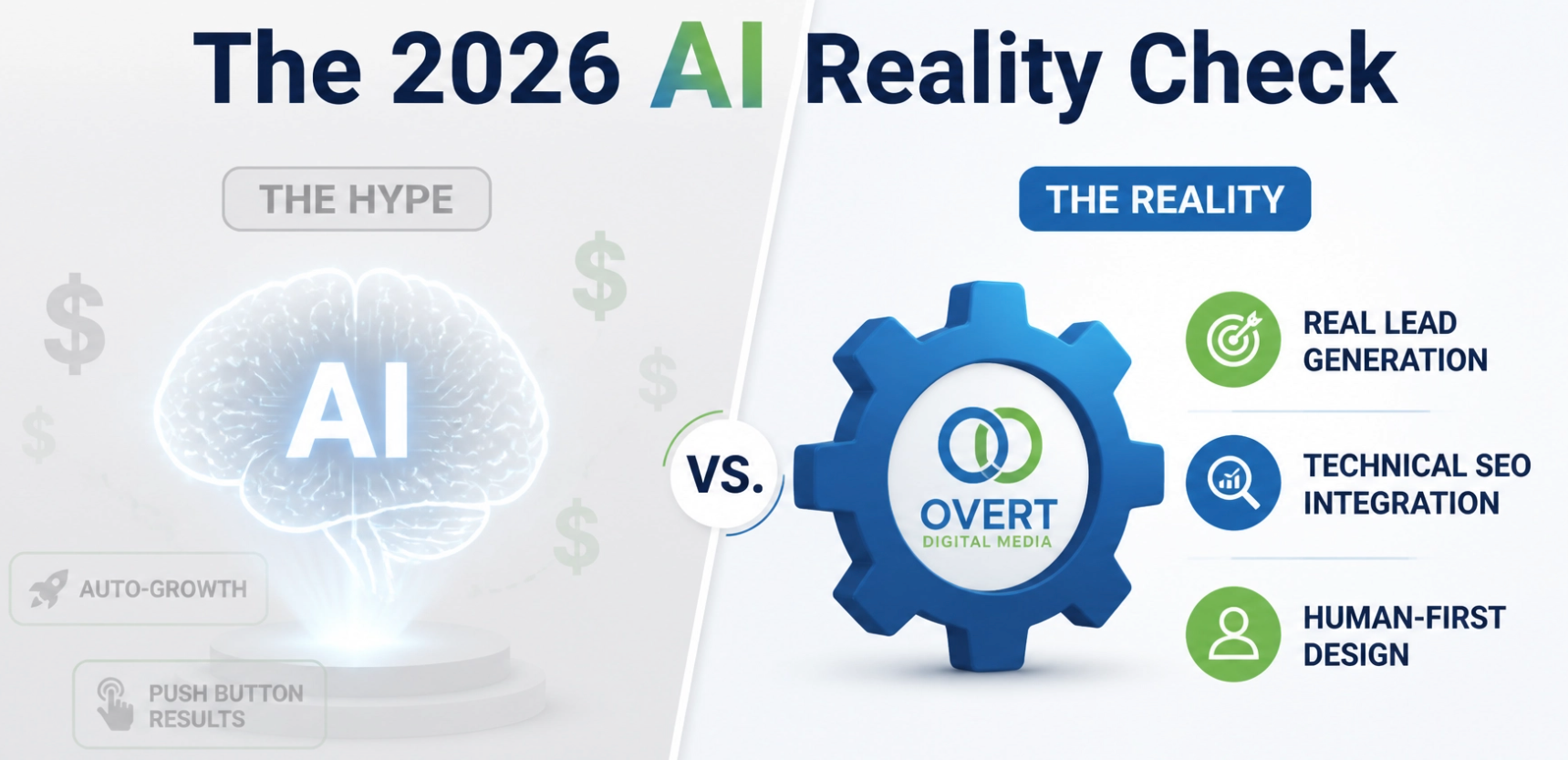
AI for the Local Business Owner: What’s Worth Using and What’s Just Hype!?! AI is everywhere right now. Every week, there’s a new tool, new feature or new “game-changer” that promises to transform your business overnight. For many local business owners, it feels like déjà vu — we’ve heard all this before. And yet… this time it’s different. AI isn’t just a buzzword for big tech firms anymore. It’s filtering down into everyday tools small businesses already use — your website builder, Google Business Profile, CRM, social media scheduler and even your email inbox. The challenge now isn’t whether to use AI, but which tools are actually worth your time — and which ones are just shiny distractions that slow you down. So, let’s cut through the noise and look at where AI really earns its keep for small, local businesses. The AI Tools That Actually Save You Time AI Email and Admin Assistants If you spend half your life replying to repetitive customer emails — booking confirmations, pricing queries, FAQs — AI can handle a lot of that grunt work for you. Tools like ChatGPT, Claude, or Microsoft Copilot can draft replies, check tone, or even integrate with Gmail or Outlook to automatically suggest responses. But the key is to train them with your own tone of voice . You don’t want robotic replies that sound like a call centre in space. Spend an hour teaching the system how you talk to customers, short, polite, straight to the point — and it’ll start saving you hours a week. If your inbox is a mess, Superhuman or Shortwave uses AI to summarise long threads and prioritise messages that actually need your attention. That’s a lifesaver when you’re on the go. AI Scheduling and Note-Taking If you use Zoom, Teams or Google Meet, you’ve probably noticed new “AI companion” features. They can record, summarise and create action lists from your meetings all automatically. Fireflies.ai and Fathom do this well and integrate with most platforms. Imagine finishing a customer call and having a neat summary of what was discussed, follow-ups and deadlines emailed to you within minutes. That’s practical AI. It doesn’t wow anyone on LinkedIn, but it gives you time back — and that’s what matters. AI Social Media Tools AI can now write your captions, crop your videos and even schedule posts at the times your audience is most active. Vista Social (which we use at OVERT DIGITAL MEDIA ) does a solid job of this, as does Later and Metricool. What’s worth using: AI tools that write drafts you can edit quickly not ones that try to take over the whole creative process. The point isn’t to hand everything over to the bot; it’s to speed up the parts you hate doing. The AI Tools That Actually Generate Leads AI isn’t just about saving time; it can actively help you win new business — if you use it the right way. Google Ads and Meta Ads Optimisation You’ve probably noticed that Google and Meta now talk about “Smart Campaigns” and “Advantage+” ads. That’s AI at work — algorithms that automatically test different ad headlines, images and targeting combinations to find what performs best. It’s far from perfect, but it’s powerful when used properly. The mistake small businesses make is letting the system run on autopilot without checking what it’s doing. AI works best when you feed it good data and clear goals. You still need to know what to target, where your audience lives, and what problem you’re solving. Let AI do the testing and optimisation — but don’t hand it the steering wheel. If you’re managing ads yourself, use AdCreative.ai to generate high-converting ad visuals and copy in minutes. It’s simple, quick and doesn’t look like it came from a robot. AI for Local SEO and Google Business Profile This is one area where AI genuinely gives small businesses a fighting chance against national brands. AI-powered tools like Local Falcon, BrightLocal and Surfer Local can scan your entire Google Maps ranking area and show exactly where you’re visible (and where you’re not). That’s data you could never get manually. You can then use AI to help write keyword-optimised posts, service descriptions, and responses to reviews. If you do it properly, you can dominate your local area because most of your competitors won’t even know these tools exist. We’ve tested this ourselves, and the difference can be night and day. Clients go from being invisible outside their postcode to ranking across an entire 10-mile radius in a matter of months. To learn more, check out our LOCAL SEO service page. AI Chat and Lead-Capture Agents Here’s a huge one. AI chat agents can now do far more than pop up on your site with “How can I help you today?”. They can qualify leads, answer FAQs, book appointments, and even follow up automatically. Tools like Tidio, Drift, or GoHighLevel AI Agents make it easy to build one that fits your tone and brand. Used properly, they can turn missed calls into booked jobs, especially for trades and service businesses where speed of response is everything. But be warned: this only works when your bot feels human. If it gives robotic, generic answers, it will kill trust instantly. Spend time training it with real questions and examples from your past conversations. You can see how we use automation like this on our AI Websites page. The Tools That Sound Exciting but Rarely Pay Off AI image generators, video avatars and content mills have their place, but most small businesses waste time chasing gimmicks that never generate a penny in return. AI Image Generators Everyone loves playing with Midjourney and DALL-E — but unless you’re in creative design or product marketing, it’s mostly just fun. They’re great for social graphics, concept visuals and mock-ups, but they take time to master. You’ll still need editing, branding and human judgment to make the results usable. Verdict: Nice to play with, not a daily essential. AI Blogging Tools You’ve probably seen the “write me 10 SEO-optimised blogs instantly” type tools. They can churn out text, sure, but it’s usually bland, repetitive and reads like it was written by a committee of robots. If your aim is to rank or build trust locally, that won’t cut it. AI is brilliant for drafting outlines and ideas (we use it for that all the time), but you still need a human to add expertise, local context and personality. Google’s algorithm is smart enough now to spot thin, generic AI content. You’ll do better with one well-written blog a month that genuinely helps people than with ten AI-generated ones that don’t say anything new. AI Video Avatars These have exploded in popularity, but most look awkward and fake when used for local service businesses. Unless you’re creating explainer videos or training content, it’s better to film yourself (or your team) for authenticity. AI avatars can’t replace genuine personality and personality is what sells local services. How to Tell if an AI Tool Is Worth It Before you sign up for yet another shiny new AI platform, ask three questions: Does it save me time every week? If it doesn’t make a recurring difference, it’s not worth keeping. Does it improve my marketing results? Does it generate more leads, improve conversions, or give insights I couldn’t get otherwise? Can I see myself actually using it? Most AI tools fail not because they’re bad, but because people forget they exist. Pick a few that fit neatly into your daily workflow. A good test is this: if you stop using it for a week and nothing gets harder, cancel it. The AI Tools We’d Recommend to a Local Business Right Now If you’re short on time and want a focused list, here’s what genuinely helps most small businesses: ChatGPT or Claude – for quick drafts, emails, ideas and posts. GoHighLevel AI Agent – for lead capture and automated follow-ups. Local Falcon – to track and improve your local visibility. Vista Social – to manage social posts and analyse engagement. Fireflies.ai – to summarise calls and meetings. AdCreative.ai – to create better-performing ad creatives quickly. Everything else? Nice to have, but not essential. The Future: AI as Your Silent Business Partner The smartest small businesses in 2025 won’t be the ones that chase every new trend. They’ll be the ones that quietly integrate AI into their day-to-day operations and never look back. AI won’t replace you (yet), but it will replace a lot of your admin, manual marketing, and repetitive customer interactions. That means you can spend more time doing what you actually enjoy, running your business, talking to customers, and delivering great work. Final Thoughts Most AI hype is built around things that look impressive. But the real gold is in the boring stuff — automation, data insights and everyday time-savers that keep your business moving faster than your competitors. Start small. Automate one thing. Measure the impact. Then add the next piece.vvWithin a few months, you’ll wonder how you ever managed without it. If you’d like help identifying the right AI tools for your business, or want us to integrate them into your marketing systems, BOOK A CHAT WITH THE TEAM AT OVERT DIGITAL MEDIA . We’ll show you what’s genuinely worth your investment… and what belongs firmly in the bin.
By Jon Richardson November 2, 2025
How AI Video Can Help You Win More Customers and Grow Your Business Faster
By Jon Richardson October 26, 2025
Forget doing everything, focus on marketing activities that actually drive leads and growth.
By Jon Richardson October 5, 2025
Take Control of Your Marketing with Our 73-Point Self-Service Audit.
By Jon Richardson September 28, 2025
Follow our 7-step process to get more Google Reviews for your business.
By Jon Richardson September 20, 2025
The 12-Point Checklist to See if Your Website is Up to Scratch
By Jon Richardson September 7, 2025
Why regular marketing is essential (and easy)!