The Importance of Brand Consistency Across Digital Platforms

August 30, 2024

The Importance of Brand Consistency Across Digital Platforms

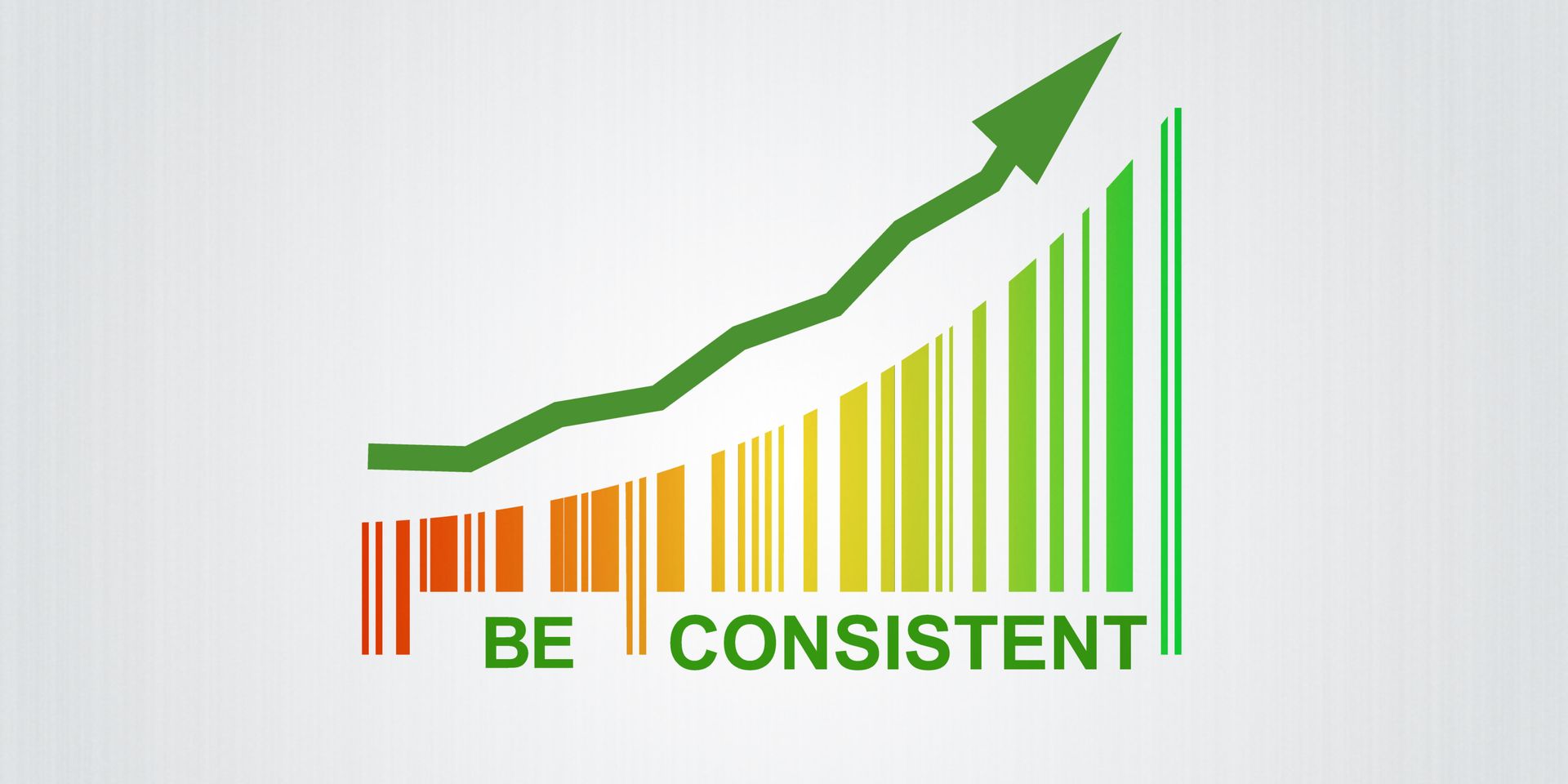
As we reach the middle of the year, it is a good time to consider the importance of maintaining brand consistency across your digital platforms. In an era where businesses interact with customers through various online channels, ensuring a unified brand presence is crucial. This blog outlines why brand consistency matters and offers some straightforward tips for achieving it.

Why Brand Consistency Matters
1. Building Brand Recognition


  • Consistent branding helps create a cohesive identity that customers can easily recognise. When your brand elements—like logos, colours, and messaging—are uniform across all digital platforms, it strengthens your brand's identity and makes it more memorable.


  • A consistent brand presence helps customers remember who you are, making it easier to stand out from competitors.


2. Enhancing Trust and Credibility


  • Consistent branding builds trust and credibility. When your brand presents a uniform image, customers see it as more professional and reliable.


  • Inconsistent branding can confuse customers and undermine trust. Different messages or visuals across platforms can make your brand seem less authentic.


3. Improving User Experience


  • A consistent brand experience contributes to a smoother user journey. When your brand elements align across websites, social media, emails, and other touchpoints, customers feel a sense of familiarity.


  • Consistent branding helps users navigate your digital presence more easily, leading to better engagement and satisfaction.


4. Strengthening Brand Messaging


  • Consistent messaging reinforces your brand’s core values and mission. By presenting a unified message across all digital channels, you ensure that your audience understands what your brand stands for.


  • Misaligned messaging can dilute your brand’s identity and confuse your audience about your products or services.

Tips for Achieving Brand Consistency

Google Business Profile screenshot for a blog on how to rank higher in Google Maps

1. Develop a Brand Style Guide


  • A brand style guide is a helpful tool for maintaining consistency. It should outline guidelines for logos, colour palettes, fonts, imagery, and tone of voice.


  • Ensure that everyone involved in creating digital content has access to this guide and follows it. This helps maintain a uniform brand presentation online.


2. Maintain Uniform Visual Elements


  • Visual consistency is key to reinforcing your brand identity. Use the same logo, colour scheme, and typography across all digital platforms, including your website, social media profiles, and email templates.


  • Consistent visual elements help create a cohesive brand image that is easily recognisable.


3. Standardise Brand Messaging


  • Develop clear and consistent messaging for your brand that aligns with your core values and target audience. Make sure this messaging is reflected in all your digital content, including website copy, social media posts, and marketing materials.


  • Avoid mixed messages or conflicting information across platforms, as this can confuse your audience and weaken your brand’s impact.


4. Integrate Branding Across Digital Channels


  • Ensure that your branding is consistently integrated across all digital channels. This includes your website, social media profiles, email marketing, and online ads.


  • Tailor your branding for each platform while keeping core elements the same. For example, use platform-specific dimensions for images but keep your logo and colour scheme consistent.


5. Monitor and Manage Your Brand Presence


  • Regularly check how your brand is represented across various digital platforms. Use tools and analytics to identify any inconsistencies.


  • Address any discrepancies promptly to maintain a cohesive brand image. Regular reviews can help ensure your branding remains aligned with your overall strategy.


6. Train Your Team


  • Make sure your team understands the importance of brand consistency and knows how to apply brand guidelines. Provide training on using branding tools and maintaining uniform messaging.


  • Encourage open communication among team members to ensure everyone is aligned on brand representation.


7. Adapt to Platform-Specific Requirements


  • While maintaining consistency, adapt your branding to fit the unique requirements of each digital platform. For example, social media platforms may have different image sizes compared to your website.


  • Customise your content for each platform while keeping core brand elements consistent. This helps your branding resonate across various channels.


8. Gather and Implement Feedback


  • Collect feedback from customers and stakeholders about their perceptions of your brand. Use this feedback to identify any areas where consistency might be lacking and make necessary adjustments.


  • Engaging with your audience and incorporating their feedback can help improve brand consistency and overall user experience.


Conclusion


Maintaining brand consistency across digital platforms is essential for building recognition, enhancing trust, and delivering a cohesive user experience. By developing a brand style guide, standardising visual elements and messaging, and monitoring your digital presence, you can ensure that your brand remains strong and recognisable.


For guidance on achieving brand consistency and refining your digital strategy, visit Overt Digital Media at www.overtdigitalmedia.com. We’re here to help you create a unified and effective brand presence across all your digital platforms. Contact us today to get started


By Jon Richardson April 11, 2026
Let’s be honest: you’re probably tough to contact That’s not a criticism. It just means you’re successful. Whether you’re a solicitor in Christchurch, a high-end salon owner in Bournemouth, or a trade specialist in the New Forest, you’re busy, in meetings, on-site, and focused on the work that keeps your business running. Here’s the issue: while you’re focused on your work, you’re missing new opportunities. When a contact form goes unread for hours, or a call goes to voicemail, you’ve effectively lost that lead you have worked so hard for. In today’s world, the fastest responder wins—not just the one who offers the best service. If you slow your sales process, you could lose leads before you even speak with them. The Brutal Reality of "Speed to Lead" People expect quick answers. If someone in Bournemouth needs a service at 7:35 PM on a Saturday, they want their problem solved right away or at least to know that someone will help as soon as possible. Your chances of converting a lead drop by 80% if you wait more than ten minutes to respond. By the time you finish a coffee or a client call, your lead may already have contacted someone else. If you’re not the first to answer or reply, you risk losing out. Today’s customers see slow responses as unreliable. If you take two days to respond to a quote request, they might think the whole job will take much longer. The Manual Bottleneck: Why You Are the Problem Most business owners we meet at Overt Digital Media value their personal touch. They like to answer emails themselves and to be the voice on the phone. But this approach may slow your growth. Think about your current process: A potential customer fills out a form on your website. An email notification lands in your inbox (among 50 other emails). You see it 45 minutes later while grabbing lunch. You tell yourself, "I'll reply when I get back to the office." You get back to the office, get distracted by an urgent issue, and finally reply at 6:00 PM. By 6:00 PM, that lead has already booked a consultation with another s eo agency in Christchurch or a different local provider who has a system in place to catch them instantly. Manually following up is tiring and inconsistent. It often makes you switch tasks, breaking your focus and lowering productivity. You end up doing admin work for free and missing out on income. Enter the 24/7 Gatekeeper: The AI Receptionist The most common problem is missing phone calls. You might be on another call, driving, or simply taking a break from work. Voicemail rarely works for leads. Fewer than one in ten people leave messages; most just hang up and call someone else. This is where an AI Receptionist comes in. Unlike a traditional answering service, which just takes a name and number. An AI receptionist can actually handle the inquiry. It can answer questions, qualify leads, and even book an appointment directly in your calendar. Picture a client calling your business at midnight. Instead of no going through to voicemail, they reach an intelligent assistant who answers their questions and books a meeting for Monday morning. You wake up to a full calendar, and your client feels confident. This is how you stay ahead without answering every call yourself. Book a demonstration of our AI Receptionist
By Jon Richardson March 23, 2026
Is your business closed after 5? - The cost of operating 9-5 in a 24/7 world
By Jon Richardson March 1, 2026
Beyond the Hype: Why Marblism and Relay.app are Redefining Productivity
By Jon Richardson February 15, 2026
Stop Paying for Marketing That Doesn't Work: A Simple Guide to Getting More Enquiries We have all been there, £2000 spent and no calls! You hand over thousands of pounds to someone who promises to "get your website to the top of Google." A few months pass. Maybe you get a fancy report every month. But when you check your phone? Silence. No calls. No enquiries. No new customers walking through the door. It's the single most frustrating problem facing small business owners. You're working flat out, doing a brilliant job for your customers, but the marketing side feels like throwing money into a black hole. The truth is, most marketing doesn't fail because it's poorly done. It fails because it's not focused on the right goal, i.e. making your phone ring. Why Your Marketing Budget Disappears Without Results Let's be honest about what usually happens when small businesses try to market themselves. Someone sells you on Facebook ads. You spend £50 a day for a month. You get hundreds of clicks, maybe thousands of "impressions" (whatever those are). The report looks impressive. But you can count the actual enquiries on one hand, and half of them are time-wasters. Or maybe you paid for a fancy website redesign. It looks gorgeous. Your mate said it's "really professional." But six months later, you're still getting the same trickle of enquiries you had before. The issue isn't that these things never work. The real problem is they're often sold as if they're the whole answer, when they're just part of the bigger picture. You don't just need more website visitors; you need more people calling you or filling out your contact form. ​ Most marketing agencies make their money from monthly retainers and big upfront fees. They're incentivised to keep you paying, not necessarily to get you results. That's not a conspiracy theory: it's just the way the industry works. What Actually Brings In Enquiries (Without Breaking the Bank) Now, let's look at what actually works for real businesses serving real customers. Make It Stupidly Easy to Find You When someone searches "plumber near me" or "accountant in Bournemouth," you want to show up. Not necessarily with a paid ad: with a proper listing that shows you're local, legitimate, and available. Your Google Business Profile is free. Completely free. Yet most small businesses either don't claim it or leave it half-finished. Make sure yours has: Your actual phone number (not just a contact form) Current opening hours Recent photos of your work or premises Responses to any reviews, good or bad This one step brings in more quality enquiries than most paid ads, because people searching are already interested in your services. You're not interrupting them; you're providing the answer they need.
By Jon Richardson February 1, 2026
Google Business Profile - Your Free & Secret SEO Tool
By Jon Richardson January 13, 2026
Why updating your Google Business Profile is a genuine no-brainer for local businesses.
By Jon Richardson January 3, 2026
The one question most small business owners are asking themselves: How can AI help my Business?
By Jon Richardson December 7, 2025
Struggling for leads? 10 quick SEO secrets, UK agencies don't want you to know. Your competitors are getting all the leads while you're struggling to get noticed online. Sound familiar? Here's the truth most digital marketing agencies in Christchurch don't want you to discover: local SEO isn't rocket science, and you don't need a computer science degree to make it work. Most agencies overcomplicate things on purpose – it keeps you dependent on their services. But the reality is that small tweaks to how you present your business online can dramatically increase the number of local customers finding and choosing you over your competition. Let's break down the exact strategies that work, explained in plain English. Secret #1: Stop Fighting for "Plumber" – Win "Emergency Plumber Christchurch" Instead Forget trying to rank for broad terms like "plumber" or "electrician." You're competing against every business in the UK for those keywords. Instead, focus on what people actually type when they need your services urgently. Think like your customers. When someone's toilet is overflowing at 2am, they're not searching for "plumber." They're typing "emergency plumber near me" or "24 hour plumber in Christchurch, Dorset." What to do right now: Make a list of your services, then add your suburb or area to each one. Use these phrases naturally throughout your website content, especially on your main pages. Secret #2: Create Landing Pages for Each Area You Serve This is where most small businesses miss out on massive opportunities. Instead of one generic "Services" page, create separate pages for each suburb or area you work in. For example, if you're a carpet cleaner, don't just have one page about carpet cleaning. Create: "Carpet Cleaning in Highcliffe" "Carpet Cleaning in Christchurch" "Carpet Cleaning in Burton" What to do right now: Pick your top 3 service areas and create dedicated pages for each. Include local landmarks, mention the specific challenges customers in that area face, and use photos from actual jobs in those neighbourhoods. Secret #3: Your Google Business Profile is Your Secret Weapon Your Google Business Profile (formerly Google My Business) is often the first thing potential customers see. Yet most businesses treat it like an afterthought. Here's what separates the businesses getting calls from those being ignored: Post updates at least once a week Respond to every review within 24 hours Upload new photos monthly Keep your opening hours religiously up to date Use the "Products" section to showcase your key services What to do right now: Log into your Google Business Profile today. Check every detail is correct, upload 5 new photos, and write a post about a recent job or customer success story. 
By Jon Richardson November 22, 2025
Why Local Businesses Are Moving Away from Directories - And Finding Bigger Wins with Google Business Profile
By Jon Richardson November 17, 2025
Networking for Trades - Good & Bad