The essential guide to transform your website into a lead generation machine
FACT - Your website is not there to prove you're 'real'. Its purpose is to generate leads and customers for your business.
If that is not happening and you want to address that, keep reading
I often hear the business owners say "I just need a website to prove we're real!". If that is your motivation for having a website then you are wasting money. A Google Business Profile can do that or a Checkatrade profile or a listing on Trip Advisor. A website should be generating leads and customers for your business. If it isn't then you may want to read the rest of this blog or to save time request a free website audit and consultation
Request your free website review.
This guide is designed for small business owners who want tangible tips on improving their sites without the need for deep technical knowledge. You might have heard about web design, SEO, or even PPC, but there's a lot more to it than buzzwords. This post will explore branding, content, calls to action, imagery, updates, blogs, landing pages, user experience, site performance, mobile optimisation, accessibility, compliance, and analytics. By the end, you'll have a clear path to a website that looks good and attracts and keeps the right people.
Your Branding
Branding is the heart of how people see and feel about your business. It isn't just about having a nice logo or the right shade of colour on your homepage. It's about connecting with your audience and helping them recognise, trust, and remember you. When you talk about a "lead generation machine," you're talking about a space where visitors feel comfortable enough to stick around and learn more. A consistent brand identity makes that possible by telling people who you are and what you do at a glance.
To strengthen your branding, look at your site's layout and messaging. If your logo is hidden away or in a low-quality format, it might leave people with an uneven impression. Is your brand voice the same across every page, from the homepage to the contact form? If one page uses a playful tone while another uses formal language, it might feel disjointed. A simple way to check is to click through your site and ask yourself if each page feels like it belongs to the same organisation. If the answer is no, take steps to bring it all into line. The aim is to create a positive, lasting memory for everyone who visits, and that starts with a strong brand.
Your Website's Content
Your website's content should feel human and approachable. People visit small business websites to find answers to their problems, see what products or services you offer, or understand how you differ from your competitors. To get their attention, using clear and concise text is a must. There's no need to overwhelm readers with large blocks of jargon. Instead, imagine you're explaining your business to a friend who knows nothing about your industry. The more straightforward and natural your writing is, the better.
When you create headings, think of them as signposts. A good heading shows readers what to expect on each page or section. If you promise a list of top tips, be sure those tips actually follow. Search engines like well-structured content and readers do too. Short paragraphs, clear headings, and simple language can quietly support your SEO without you needing to dive into advanced strategies. This means that the more user-friendly your content is, the more likely you'll rank for relevant terms like "web design," "SEO," and so on, even if you don't load your text with technical details.
One essential principle to keep in mind is E-E-A-T, which stands for Experience, Expertise, Authoritativeness, and Trustworthiness. Search engines look for these traits when deciding how to rank your site and whether visitors will find you credible. By sharing real-world examples of your experience, showing you understand your industry, and backing up your advice with facts, you'll build expertise and authority at the same time. Trustworthiness follows naturally when you're transparent about your sources and consistent in your branding. When all four elements of E-E-A-T come together, your content becomes more convincing, more useful to readers, and more likely to earn higher visibility.
Calls to Action
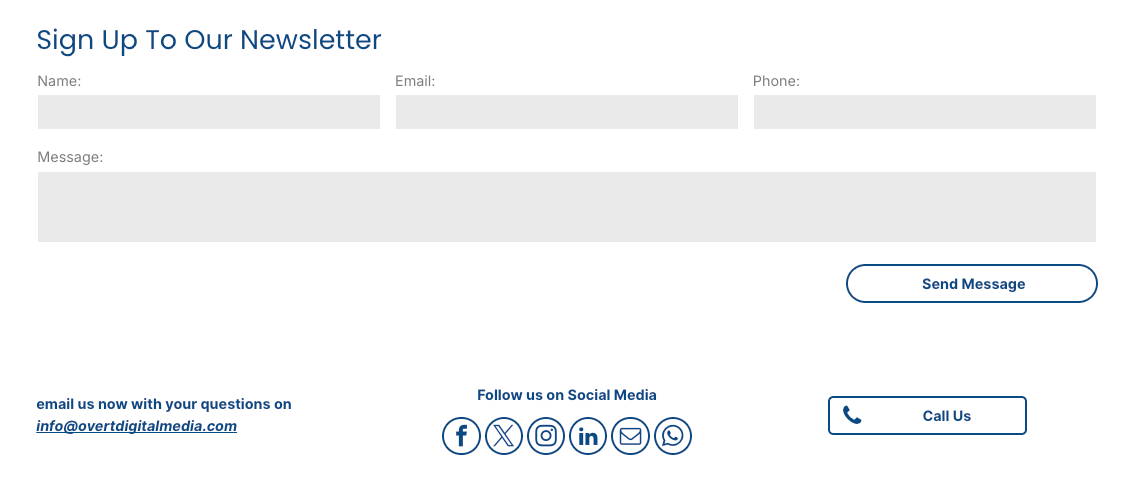
Calls to action are not just "Buy now" buttons. They're invitations for visitors to do something meaningful. If your aim is lead generation, you'll want calls to action that encourage newsletter sign-ups, contact form submissions, or requests for a quote. However, make sure you have calls to action for all stages of the buying journey so that you can capture the details of people who aren't quite ready to buy from you and continue marketing to them.
The design of these calls to action should stand out from the rest of your site. You don't need bright flashing graphics, but the button or link should be easy to see and encourage action.
Clarity is key here. If you're offering a free guide, say so directly. If you want readers to request a free website review, make it obvious. A friendly call to action, such as "Get Your Free Website Review Now," can do wonders. Make sure the steps to complete the action are short and easy. Nobody wants to fill out a lengthy form asking for everything from their eye colour to their shoe size. The simpler you make it, the more sign-ups you'll get, and the stronger your lead generation machine becomes.
Below are some examples of calls to action:
Imagery for your website (pictures and videos)
Images and videos can help your site come alive, but only if they serve a purpose. Random pictures with no clear connection to your brand or message can confuse visitors. On the flip side, thoughtful imagery can underline your brand's personality and show people what you're about in seconds. Videos can give an extra layer of engagement, especially if they show how your product or service works. Some people find it easier to watch a quick video than read a long description, so offering different ways for people to absorb information can make your site more welcoming.
It's essential to keep quality in mind. Blurry or pixelated images might leave people with doubts about your attention to detail. If you're showing your products, make them look good. If you're showing your team, choose photos where everyone looks warm and approachable. Subtle touches like these can boost trust and show that you take your business seriously. People are often visual by nature, so the right pictures or videos can reinforce your words and make your site memorable.
>>>Find out more about Video Marketing
FAQs: Addressing Common Questions
Another valuable section for your website is a Frequently Asked Questions (FAQ) page. It’s a quick way for visitors to find answers without trawling through your entire site. By saving them time, you also demonstrate that you understand their concerns and want to make their experience as smooth as possible. In turn, this builds trust and reduces any barriers people may have before getting in touch or signing up for your newsletter. Below are a few FAQs you might consider including if your focus is transforming your website into a lead generation machine in 2025.
Why are FAQs good for websites
FAQs are great because they give visitors quick answers without making them hunt through multiple pages. They also help you address common concerns and reduce confusion, which boosts trust in your brand.
As a bonus, FAQs can support SEO by featuring relevant keywords and phrases that people type into search engines. By anticipating these queries, you make it easier for potential customers to find you, stay on your site, and take that next step—whether it’s subscribing to a newsletter or getting in touch.
Why are blogs good for your website?
Blogs help keep your website fresh with new content, which can boost your search engine rankings. They’re also an effective way to show off your expertise, share industry insights, and build trust with visitors.
Over time, a consistent blog can establish your brand’s authority and encourage repeat visits, which might lead to more conversions. Plus, blog posts give you a chance to connect with your audience in a more personal, conversational way.
How can I understand how good my website is?
Simply book a website & SEO audit by clicking here
Updates and Maintenance to your Website
A website is never truly finished. Technology changes, customer tastes shift, and your business may expand or evolve. Regular updates ensure your site doesn't look dated and that all key features work properly. Visitors who land on a site with broken links or old product details might doubt your professionalism. Keeping your site fresh can also help with search engine rankings, especially if you're mindful about how you add and update content.
Updating your site doesn't have to mean large-scale changes. You might only need to refresh the homepage text or swap out a few pictures. Check your contact details, pricing (if shown), and basic information every few months to be sure everything's accurate. These small, ongoing improvements can make a massive difference to your site's performance over time. Treat your site as a living part of your brand, and it will reward you by staying relevant and appealing.
Blogs
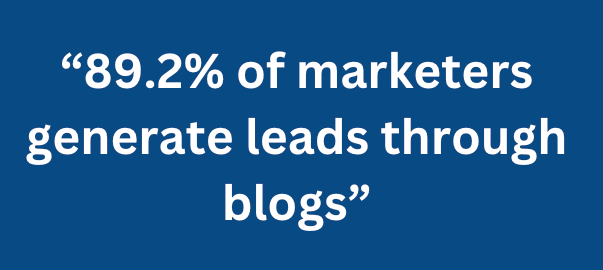
A blog is a fantastic way to share fresh information, boost your SEO, and show you're engaged in your field. If people see a blog section full of out-of-date posts, they might think you're no longer in business. On the other hand, a lively blog with new articles once or twice a month tells readers you're active and eager to share insights. This is also a chance to slip in references to "web design," "SEO," and "PPC" without making them the main topic. For instance, if you run a catering business, you can write a piece about new trends in event planning and mention how you use SEO-friendly content to reach local customers.
Blogs can be short or long, but keep them clear and focused. Avoid writing just to meet a word count. If you can share practical tips or personal experiences that help your readers, your blog will become a resource they'll want to visit again. Blogging can also be a way to show your personality. You can write as though you're chatting with your customers or clients, which makes them feel more comfortable with you. Over time, each post helps build trust and credibility, which leads to more sign-ups, calls, or purchases.
Website Landing Pages
Landing pages are single pages built around one goal, such as collecting leads or promoting a new product or service. A typical homepage might cover many angles, but a landing page is focused on guiding visitors to take one specific action. You can create different landing pages for different campaigns, such as email marketing or a social media ad. These pages should have clear headlines, straightforward text, and a direct call to action.
Effective landing pages are crucial for converting visitors into leads.The average website converts about 2% to 5% of visitors into customers, but this can vary based on industry, goals, and audience.Optimising landing pages for clarity and relevance can significantly improve these conversion rates.
Because landing pages are so targeted, you can test them to see which elements work best. Simple changes to headlines, images, or calls to action can have a big effect on how many people engage with you.
Pay attention to how these pages link back to your main site and whether they fit your overall branding. Consistency is essential, so use the same tone, style, and level of quality. This helps ensure your website feels cohesive, no matter how a visitor finds you.
Think about User Experience (UX)
User experience is all about how your visitors feel when they interact with your site. If they can't find the information they need because your layout is confusing, they'll probably leave. If it takes them too many clicks to buy a product or sign up for your newsletter, they might decide it's too much hassle. User experience includes things like navigation menus, button sizes, and page layouts. All of these should be designed with the visitor in mind.
People are impatient online. They expect to see what they want in seconds, and if they don't, they might never come back. A well-designed user experience guides visitors through the site without them even noticing. It's a bit like good customer service in a shop, where someone can find what they need without having to ask. By improving UX, you make it easier for people to trust you because they can quickly see that you've thought about their needs. This can lead to more sign-ups, more requests for reviews, and ultimately more business.
Website Performance and Speed
Site performance is the backbone of your website. Even the most stunning design doesn't matter if your pages take too long to load. Slow sites frustrate visitors, and search engines tend to rank them lower in results. You don't need to be a tech wizard to improve speed, though. Simple steps like optimising images or removing old plugins can do wonders. If a video slows down your home page, try compressing or clipping it. These might seem like minor details, but they add up to a snappier website that keeps visitors engaged.
Site performance also helps with SEO. When your pages load quickly, search engines see that as a good sign for user satisfaction. If you're trying to rank for a local search term, such as "web design in Dorset," a faster site will give you an edge over slower competitors. Users also appreciate a quick site because it's less time wasted. It's one of the easiest ways to show that you respect your visitors' time and care about their experience.
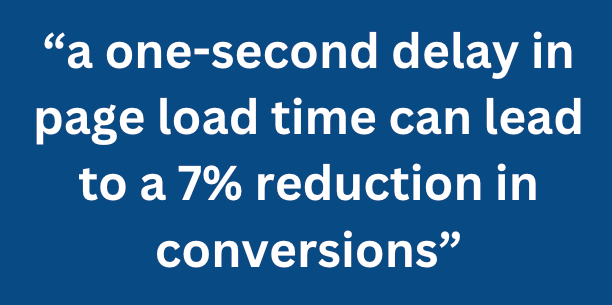
Site speed is a critical factor in user retention and conversion.Studies indicate that a one-second delay in page load time can lead to a 7% reduction in conversions.Therefore, optimising your website's loading speed is essential for maintaining user engagement and maximising lead generation.
Optimise your Website for Mobile Devices
Mobile devices account for 65% of online traffic, and this trend isn't slowing down in 2025. If your site isn't mobile-friendly, you're losing business. Mobile optimisation involves more than just fitting a desktop layout onto a smaller screen. It means looking at the site's layout, images and calls to action to ensure they work smoothly on phones and tablets. Buttons should be large enough to tap easily, and text should be readable without zooming in, particularly if you are targeting older users.
A mobile-optimised site can also help with search engine visibility. Many search engines, especially Google, use mobile-first indexing. That means they look at the mobile version of a site as the primary source of information. If your mobile site is weak or poorly structured, it might not rank as well, no matter how good your desktop site looks. By prioritising mobile optimisation, you open your business up to more potential visitors who can interact with your content on the go.
Make your Website Accessible and Compliant
An accessible website is one that anyone can use, including those with visual, hearing, or other impairments. This means adding text descriptions for images, making sure colour contrasts are clear, and structuring headings so screen readers can navigate them. Accessibility isn't just about avoiding legal issues. It also shows that you're inclusive and considerate, which can help people feel more positive about your brand.
Compliance goes hand in hand with accessibility. You may need to display data and privacy notices depending on your location and type of business. In the UK, this involves cookie consent notices and compliance with GDPR rules. Being upfront about how you collect and use data can build trust. If your sign-up form clearly states how you'll handle emails, you're more likely to get subscribers who stick around. No one likes spam, and if your emails are getting pushed to the spam folder, it will have a negative impact on your brand and may even get you blacklisted.
Analytics and Tracking
Tracking how visitors move around your site is essential to improve it. Free tools like Google Analytics will show you which pages get the most traffic and how people found them.
You can see if visitors leave your site quickly or stay to read multiple pages. This information can help you decide whether to fine-tune or completely redesign your website.
Analytics also let you test and refine. If you create two versions of a landing page, you can compare which version leads to more sign-ups. By measuring these things, you can make informed changes. Over time, you'll develop a deeper understanding of what your audience wants, which leads to better decisions on content, layout, and even new products or services.
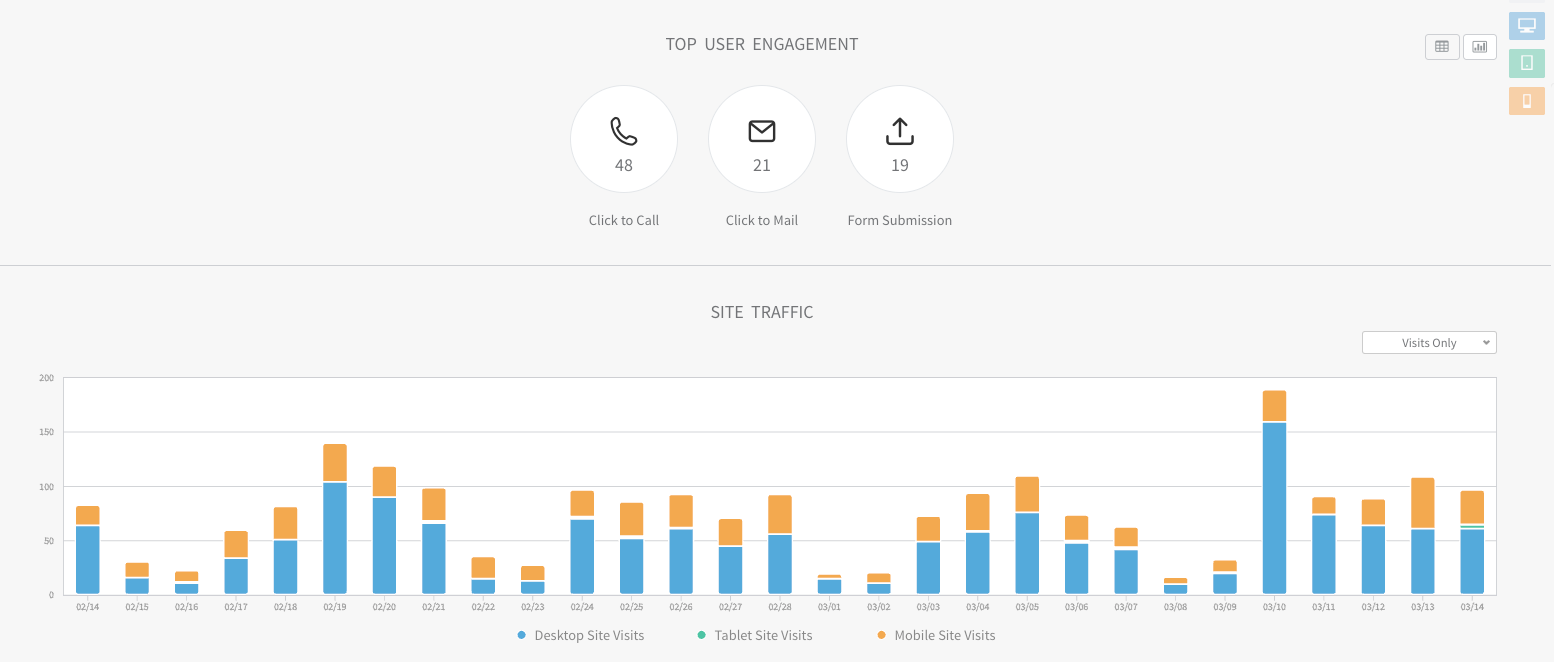
However, the sheer amount of data in Google Analytics can be overwhelming. That is why we use the Duda platform that provides easily understandable stats on how many visitors your website is getting, what they are doing and where they are coming from
Below is a screenshot of one of our customers' website performance statistics dashboards provided by the Duda platform. Our customers prefer this to Google Analytics as it is much easier to understand.
Conclusion
Transforming your website into a lead generation machine may sound like a big job, but it doesn't have to be difficult if you take it step by step. By focusing on branding, content, calls to action, imagery, updates, blogs, landing pages, user experience, site performance, mobile optimisation, accessibility, compliance, and analytics, you can build a site that looks great and actually drives business. The key is to keep your audience in mind at all times. If you approach your site as a resource that helps people solve their problems or reach their goals, you'll earn their trust and turn casual visits into lasting connections.
If you'd like guidance on how to apply these tips to your own website, get in touch for a free website review. We'll look at what you're doing right, where you can improve, and how you can get more leads without needing a degree in computer science. Let's make 2025 the year your website truly becomes a lead generation powerhouse.
Sign up today and see just how much potential your site really has. Alternatively, you can request a free website and SEO audit
Contact Us
About Overt Digital Media
At Overt Digital Media, we specialise in helping small to medium-sized businesses turn their websites into powerful lead generation tools. Based in Christchurch, Dorset, we work with businesses across Dorset and Hampshire, providing a full range of digital marketing services, including web design, SEO, PPC, social media management, and email marketing.
We focus on businesses with 20 to 50 employees in unregulated industries, such as trades, retail, and professional services. Our clients are typically business owners who are actively involved in their day-to-day operations and are looking for tangible results from their marketing investment. We understand that many small business owners have had frustrating experiences with SEO and digital marketing in the past, so we take a transparent and practical approach to building strategies that deliver measurable results.
Our expertise lies in creating high-performing websites that not only look good but also convert visitors into leads. We know how to balance strong branding, engaging content, and user-friendly design to ensure that your website works hard for your business. Our understanding of local markets means we can target your ideal customers effectively, helping you stand out from the competition.
Whether you're looking to improve your search rankings, drive more traffic through PPC, or create a website that reflects your brand and generates consistent leads, Overt Digital Media has the experience and tools to make it happen. If you’d like to see how your website measures up, get in touch for a free website review — we’ll give you honest, practical advice on what’s working and where you could improve.