SEO and content marketing strategies
SEO and content marketing strategies

Introduction to SEO and Content Marketing: The importance of both SEO and content marketing for driving traffic and generating leads.
Welcome to our blog on SEO and Content Marketing! In today's digital age, having a solid online presence is essential for any business looking to grow and succeed. SEO (Search Engine Optimisation) and Content Marketing are powerful tools that can help companies to achieve this goal.
SEO is the process of optimising a website to rank higher in search engine results pages (SERPs) for relevant keywords. Ranking highly in Google is important because the higher a website ranks, the more likely it is to be seen and visited by potential customers.
Content Marketing, on the other hand, is the process of creating and distributing valuable, relevant, and consistent content to attract and engage a specific target audience. Content marketing aims to build trust and authority with your audience and ultimately convert them into customers.
When used together, SEO and Content Marketing can create a powerful synergy that can drive significant traffic to a website, generate leads, and ultimately increase revenue for a business. In this blog post, we will explore the various strategies and techniques companies can use to effectively implement SEO and Content Marketing and show you how to measure and analyse the results of your efforts.
Keyword Research: : The process of researching and selecting the right keywords to target
When used together, SEO and Content Marketing can create a powerful synergy that can drive significant traffic to a website, generate leads, and ultimately increase revenue for a business. In this blog post, we will explore the various strategies and techniques companies can use to effectively implement SEO and Content Marketing and show you how to measure and analyse the results of your efforts.
The keyword research process begins with identifying the topics most relevant to your business and your target audience. Once you have a list of potential keywords, you can use tools such as Google Keyword Planner to analyse the search volume and competition for each keyword. This research will give you an idea of which keywords will drive your website traffic.
Once you have identified the right keywords, optimising your website for those keywords is next. This includes optimising your website's meta tags, such as the title tag and meta description, and incorporating the keywords into your website's content, headlines, and images. It's also essential to ensure your website is structured so that search engines can easily understand, using header tags and internal linking.
It's also important to note that keyword research and optimisation are ongoing. As search algorithms and user behaviour change, so do the keywords that drive traffic. So regularly monitoring and updating your keywords will help you stay ahead of the curve and continue to drive traffic to your website.
By following best practices for keyword research and optimisation, businesses can increase their visibility on search engines and attract more qualified traffic to their website, leading to more leads and sales.
Read more about keyword research by clicking on the blog below:

On-Page Optimisation: Techniques for optimising website content, such as headlines, images, and internal linking, to improve the user experience and your search engine rankings.
On-Page optimisation is optimising individual web pages to rank higher in search engine results pages (SERPs) and earn more relevant traffic. It includes a variety of techniques that you can use to improve the user experience and make your website more search engine-friendly.
One of the most important elements of on-page optimisation is headlines. The headline, also known as the title tag, is the first thing a user sees in the SERP, and it's also the most important factor for on-page SEO. Having a clear and compelling headline can increase your website's click-through rate.
Images are also an important part of on-page optimisation. Optimising images for search engines can increase the chances of your images appearing in image search results. This can drive additional traffic to your website.
Internal linking is another important aspect of on-page optimisation. By linking to other relevant pages on your website, you can help search engines understand the structure of your website and how the pages are related. Internal linking can also help users navigate through your website easily.
Optimising website content, such as header tags, meta descriptions, and alt tags, can also improve the user experience and make it easier for search engines to understand the context of the content.
In addition to these techniques, it's also essential to make sure your website is mobile-friendly and loads quickly. Mobile-friendly websites significantly improve the user experience, increase engagement and decrease bounce rate.
By implementing these on-page optimisation techniques, businesses can improve their search engine rankings, drive more relevant traffic to their website, and ultimately increase revenue."
Link Building: : The importance of backlinks and strategies for acquiring high-quality links to boost search engine rankings.
Link building, also known as backlinking, is the process of acquiring links from other websites to your own. Backlinks are one of the most important factors that search engines use to determine the authority and relevance of a website. Therefore, the more high-quality backlinks a website has, the higher it is likely to rank in search engine results pages (SERPs).
There are a variety of strategies that businesses can use to acquire backlinks. One of the most effective is creating high-quality, shareable content that other websites will want to link to. This can include blog posts, infographics, videos, and content that are informative and valuable to users.
Another strategy for acquiring backlinks is guest blogging. This involves writing content for other websites in your industry in exchange for a backlink to your website. Guest blogging can effectively get your content in front of a new audience and acquire backlinks from authoritative websites.
Link building is also about networking and relationship building. Building personal relationships with other website owners and bloggers can lead to opportunities for backlinks.
Another way to acquire backlinks is through directory submissions and business listings. Submitting your website to online business directories and yellow pages can help search engines find your website and provide a backlink.
However, it's important to note that not all backlinks are created equal. For example, search engines place more weight on backlinks from authoritative and high-traffic websites. In contrast, backlinks from low-quality or spammy websites can harm your search engine rankings. Therefore, it's crucial to acquire high-quality backlinks from reputable websites.
By implementing a link-building strategy and acquiring high-quality backlinks, businesses can improve their search engine rankings, increase visibility, and drive more relevant traffic to their website."
Content Creation and Promotion: Tips and best practices for creating valuable, engaging content and promoting it through social media and email marketing.
Content creation and promotion are crucial to SEO and content marketing. Creating valuable, engaging content that resonates with your target audience is essential for driving traffic and generating leads for your business. However, creating great content is not enough. You also need to promote it effectively to reach your target audience.
When creating content, it's essential to research and understands your target audience. This will help you create content that addresses their pain points and provides solutions to their problems. It's also important to focus on creating a variety of content formats, such as blog posts, infographics, videos, and more, to cater to different preferences and keep your audience engaged.
Once your content is created, it's important to promote it through various channels. Social media is a great way to reach a broad audience and drive traffic to your website. Share your content on different platforms, such as Facebook, Twitter, LinkedIn, and Instagram, and engage with your followers to build relationships and drive engagement.
Email marketing is another effective way to promote your content and generate leads. By building an email list and sending regular newsletters, you can inform your audience about your latest content and encourage them to visit your website.
Another way to promote your content is by leveraging the power of influencers. Identifying and building relationships with influencers in your industry can increase the visibility of your content and drive more traffic to your website.
By creating valuable, engaging content and promoting it through various channels, businesses can increase visibility, drive relevant traffic to their website, and generate leads.
Measuring and Analysing Results: How to use tools such as Google Analytics to track and measure the success of SEO and content marketing efforts.
Measuring and analysing results is an important step in the SEO and content marketing process. It allows businesses to understand how their efforts are performing, identify areas for improvement, and make data-driven decisions for future strategies.
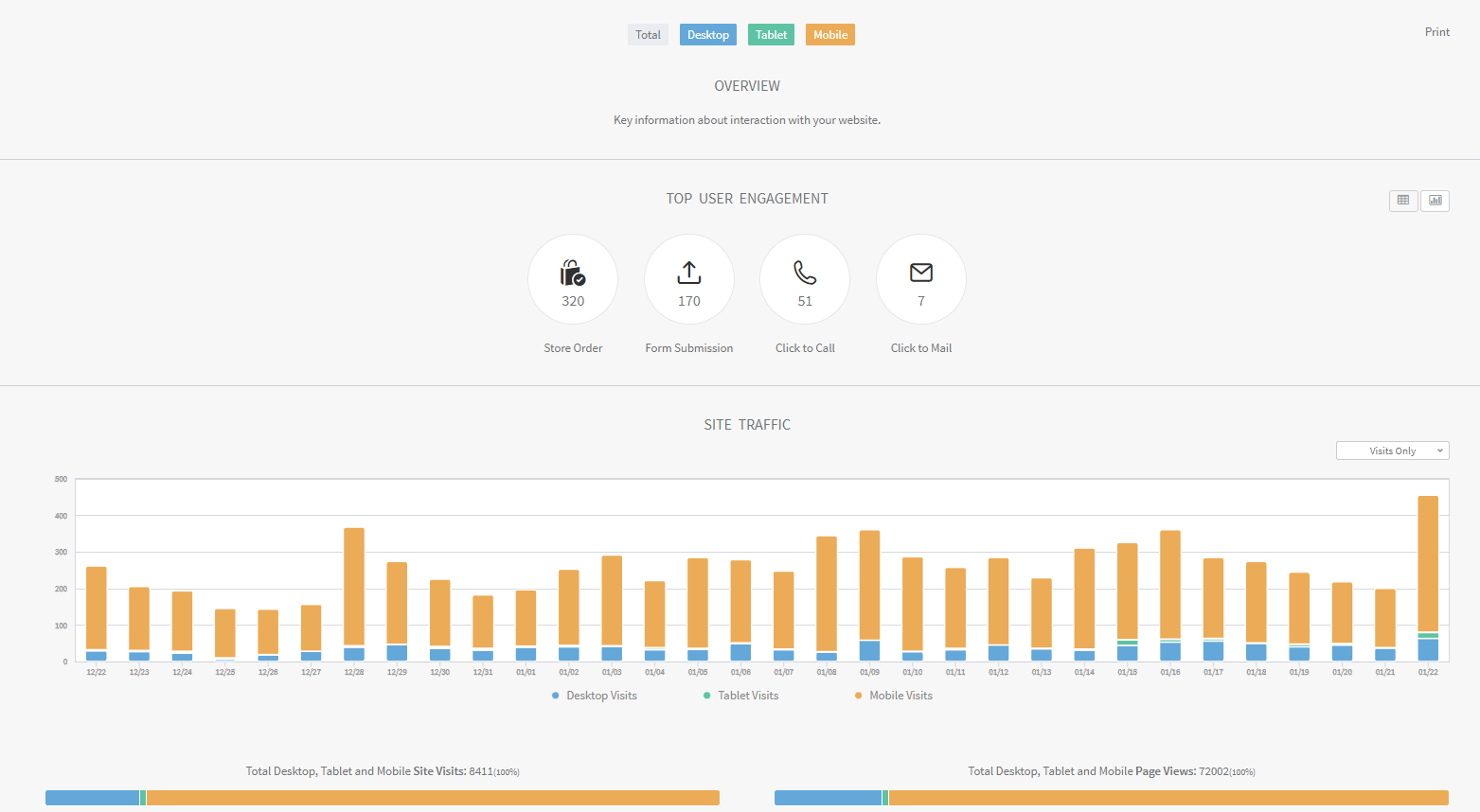
Google Analytics is one of the most widely used tools for measuring and analysing results. This powerful tool provides businesses with a wealth of data, including website traffic, bounce rates, conversion rates, and much more. By tracking this data, businesses can understand how their SEO and content marketing efforts are impacting their website traffic and conversions.
Another important metric to track is search engine rankings. By monitoring where your website ranks for specific keywords, you can understand how your SEO efforts are affecting your visibility in search engine results pages (SERPs).
In addition to tracking data, it's important to analyse it to understand the underlying trends and patterns. For example, suppose you notice a significant increase in website traffic. In that case, you can use Google Analytics to understand the source of that traffic. Using Google Analytics, you can easily understand your traffic source, whether it is from social media, referral traffic, or organic search.
By using tools such as Google Analytics to track and measure the success of SEO and content marketing efforts and analysing the data to inform future strategies, businesses can improve their performance and achieve their goals.
Conclusion
In conclusion, SEO and content marketing are essential for driving traffic and generating leads for businesses. By implementing strategies such as keyword research and optimisation, on-page optimisation, link building, and content creation and promotion, businesses can improve their visibility in search results and reach more potential customers. Additionally, by utilising advanced techniques such as schema markup, voice search optimisation, and local SEO, businesses can stay competitive in the ever-evolving digital landscape. Measuring and analysing results, as well as studying case studies and success stories, can help businesses understand the impact of their efforts and inform future strategies. A solid SEO and content marketing strategy can increase your business's visibility, traffic, leads, and, ultimately, sales.
Ready to improve your business's online visibility and generate more leads? Contact us today to schedule a consultation and learn how our SEO and content marketing services can help you reach your goals.
About Overt Digital Media
Overt Digital Media are a digital marketing agency, based in Christchurch on the outskirts of Bournemouth. We specialise in helping companies in Bournemouth, Christchurch, Poole, the New Forest and Southampton to generate more leads and sales from their online presence.
If you are looking for help with your digital marketing and need a new website or an affordable SEO service then please contact us today and speak to one of our web designers or SEO consultants.
Speak to an SEO Consultant today